Planning Complex Cities mentors 2024/25
(in alphabetical order)
Ana Petrović
Ana Petrović has been an Assistant Professor of Urban Studies since 2021, after obtaining her PhD from TU Delft. She is a human geographer and demographer by training. Her research is about social inequalities, segregation and neighbourhood effects, with a focus on various scales of spatial context in which people live, starting from small neighbourhoods up to urban regions. She has supervised graduation students working on the topics of healthy built environment as well as housing and urban design for vulnerable population groups, such as low-income families, refugees and homeless people. Ana can advise students on combining quantitative (spatial) analyses with other research methods and integrating qualitative and quantitative research in their design process. As a teacher in both master’s programmes Urbanism and Geomatics, she is particularly interested in supervising students working towards the double degree in these master’s programmes.
Students Ana has supervised:
Anders, Nora (2023): Someone at home?: an integrated housing system that utilises vacancy in London for temporary housing to ensure homes for low-income families
Chabayeuski, Nadya (2022): Welcome, home: Urban biography about the past and future of a deprived residential neighbourhood typology, featuring the cases of Rotterdam and Minsk
Demetriadou, Leto (2022): Reconstructing Territorial Identities: The case of the refugee settlements in Nicosia, Cyprus
Van Laar, Brian (2021): Healthy Built Environment Index: Creating an assessment tool for the built environment that evaluates a city district on how healthy the living environment is through the use of geographic data
Caroline Newton
 Dr. Caroline Newton is an architect, urban planner and political scientist. Her work and research focuses on the socio-spatial dimensions of design and critical spatial practices in Europe and the Global South. Her research interests are centered on the interrelationship between social processes and the built environment. Caroline obtained a PhD in Geography at the University of Leuven. After the completion of the PhD Caroline has worked on (informal) dwelling and participatory upgrading, the challenge of design and planning in post-colonial environments and also on the methodological and pedagogical challenges of a ‘designerly way of knowledge production’. She has written on integrating real and virtual words and their role for architecture and architectural education. She believes a strong connection between interdisciplinary academic work and the aim to be politically engaged and thus actually contribute to a more social and environmental just world is what should be the cornerstone of academic work. In 2019 Caroline received the Van Eesteren fellowship at the TU Delft, where she is an associate professor. The fellowship allows her to put spatial justice on the planning and design agenda and will generate insight in and understanding of how informality (in is different forms) impacts social justice and how we can revaluate vulnerability as a core aspect of a (more) human and just urban world.
Students Caroline has supervised:
- Gunnam, D. (2021) Loiter City: Spatial Strategies to redefine a woman’s place in a public realm
- Gathanga, J. (2021) City-regions for cultural nomads: Leveraging transitory rural-urban networks in Nairobi’s peripheries through regional agroecological systems; A guide to city-region planning in Kenya
- Subendran, J. (2021) Geographies of Conflict: Towards Liberation, Self-determination and Spatial justice in Sri Lanka’s North-East
Clémentine Cottineau
(available as a second mentor)
 Clémentine Cottineau is an urban geographer whose work focuses on understanding and modelling the evolution of economic inequality between and within cities. She is interested in how residential migration, social reproduction and economic mechanisms concur to magnify and amplify inequalities in cities. For this purpose, she uses mainly longitudinal analysis of empirical microdata and generative agent-based modelling. Through past and present projects, she has also developed a scientific interest in the history of urban models, the spatial structure of firms and the urbanisation patterns in the post-Soviet space (including urban shrinkage). Clémentine holds a PhD from Université Paris 1 Panthéon-Sorbonne, and worked as a researcher at UCL’s Centre for Advanced Spatial Analysis and CNRS’s Centre Maurice Halbwachs before joining TU-Delft as an Assistant Professor in Urban Studies in 2020.
Diego Andres Sepulveda Carmona
(available as a second mentor)
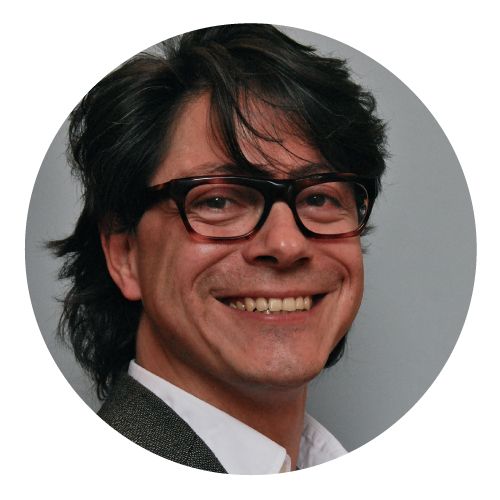 Dr. Diego Sepulveda is a designer and a regional planner. He is an active researcher in the Planning complex cities and Delta urbanism research groups. He also works as guest professor at several institutions. His main research topics are strategies to integrate the development of marginalized areas into metropolisation processes, with an emphasis on design and planning perspectives and tools. His main interest is the relation between societal processes and spatial planning, particularly in emerging and fast development regions. Diego is experienced in infrastructural development, socio-spatial integration (with special interest into fast transformative economies and the integration of the changing social dynamics) and interrelation between planning and spatial structures. Lately his work focuses on how to integrate climate change adaptation and mitigation strategies within a developing context. Diego’s work has been part of several studies, conducted by academia, multilateral agencies (such as the World Bank and the Inter-American Developing Bank) and governmental institutions. His publications are diverse. The New Urban Questions (IFOU 2010) is among the most significant ones.
Students Diego has supervised:
- Moya Ortiz, D.R. (2019) Contesting metropolization by Neoliberalism: Activating vulnerable areas through inter-municipal spatial planning in Santiago de Chile
Diwen Tan
(available as a second mentor)

Diwen Tan is a PhD researcher, engineer, environmental geographer, and urbanist. She obtained an MSc.Ir in Sustainable Energy Systems at the University of Edinburgh, the United Kingdom, and an advanced MSc. in Human Settlements at KU Leuven, Belgium. Through both education and professional practices, she has acquired multi-disciplinary backgrounds in physics, resource efficiency, ecosystem management, and urban studies. She worked for more than six years as a project manager at the UN Environment Programme, focusing on ecosystem-based climate change adaptation and low-carbon development in the Global South. Her projects spread through different territories, including Nepal, Seychelles, Mauritania, Kenya, etc. Furthermore, she has collaborated on design research in Taiwan and China. Her PhD research explores future inclusive urbanism by understanding the coexistence of tradition and modernity (social-spatial and ecological practices in particular) in China’s metropolitan areas and their implicit values in post-modernism. She has applied the methods of interviews and architectural ethnographic mapping to her fieldwork and analysis. She is also collaborating with other international scholars on topics of urban agriculture, urban informalities, and people’s actions with the built environment.
Gregory Bracken
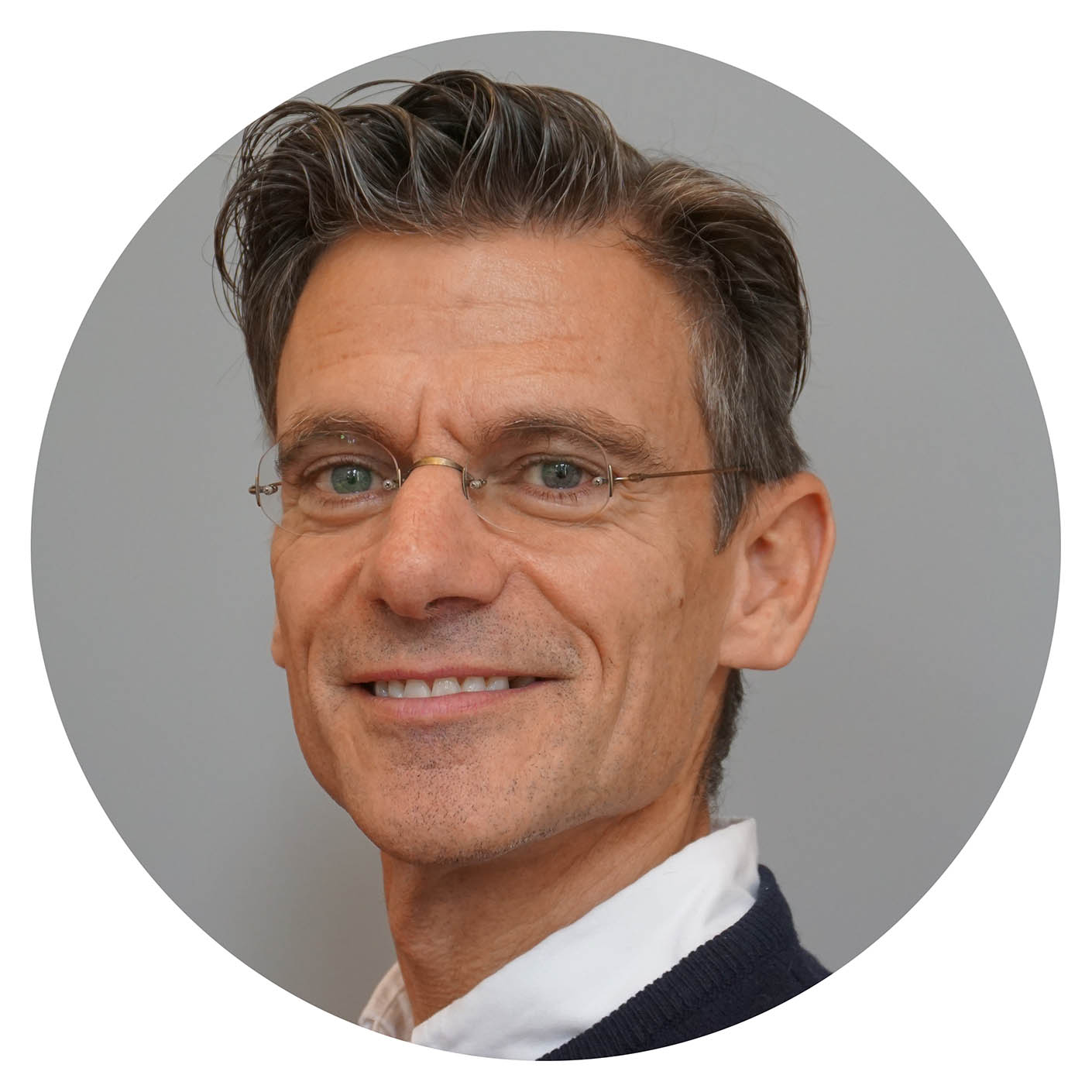 Dr. Ir. Gregory Bracken is an assistant professor at the chair of Spatial Planning and Strategy. He got his Dip.Arch. and B.Sc.Arch. at the Dublin Institute of Technology. He then worked in Southeast Asia for 10 years before coming to TU Delft to do an M.Sc.Arch. (with a specialisation in urbanism). He then went on to do a Ph.D. in TU Delft, subsequently working at the Architecture Theory section before moving to Urbanism in 2016. While at TU Delft he co-founded the Footprint journal, and from 2009-2015 he was a research fellow at the International Institute for Asian Studies (IIAS) Leiden where he set up (with Dr. Manon Ossewijer) the Urban Knowledge Network Asia (UKNA) with a €1.2 million grant from Marie Curie Actions. Gregory is author or editor of 16 books, including the popular Walking Tour series of architectural guides to Asian cities, as well as The Shanghai Alleyway House: A Vanishing Urban Vernacular (translated into Chinese), Asian Cities: Colonial to Global, and Aspects of Urbanization in China: Shanghai, Hong Kong, Guangzhou.
Students Gregory has supervised:
- Zhao J. (2020) Sub-urban, reinventing the pei-urban villages
- Hu, Q. (2019) Stay, live and participate: Towards a new urban regeneration method for foreign ethnic enclaves in Chinese cities, take Guangzhou as an example
- Das Sharma, A. (2019) Accommodating the Displaced: An inclusive regional preparedness strategy for the circular environmental migration in the Ganges-Brahmaputra delta
- Martin Reijnen (2014), Street life: Revitalizing new Asian developments
- Bart Kuijpers (2013), Updating Shanghai: Life from the ground up
- Elsa Snyder (2012), Redefining the Hong Kong typology
Harry den Hartog
(available as a second mentor)
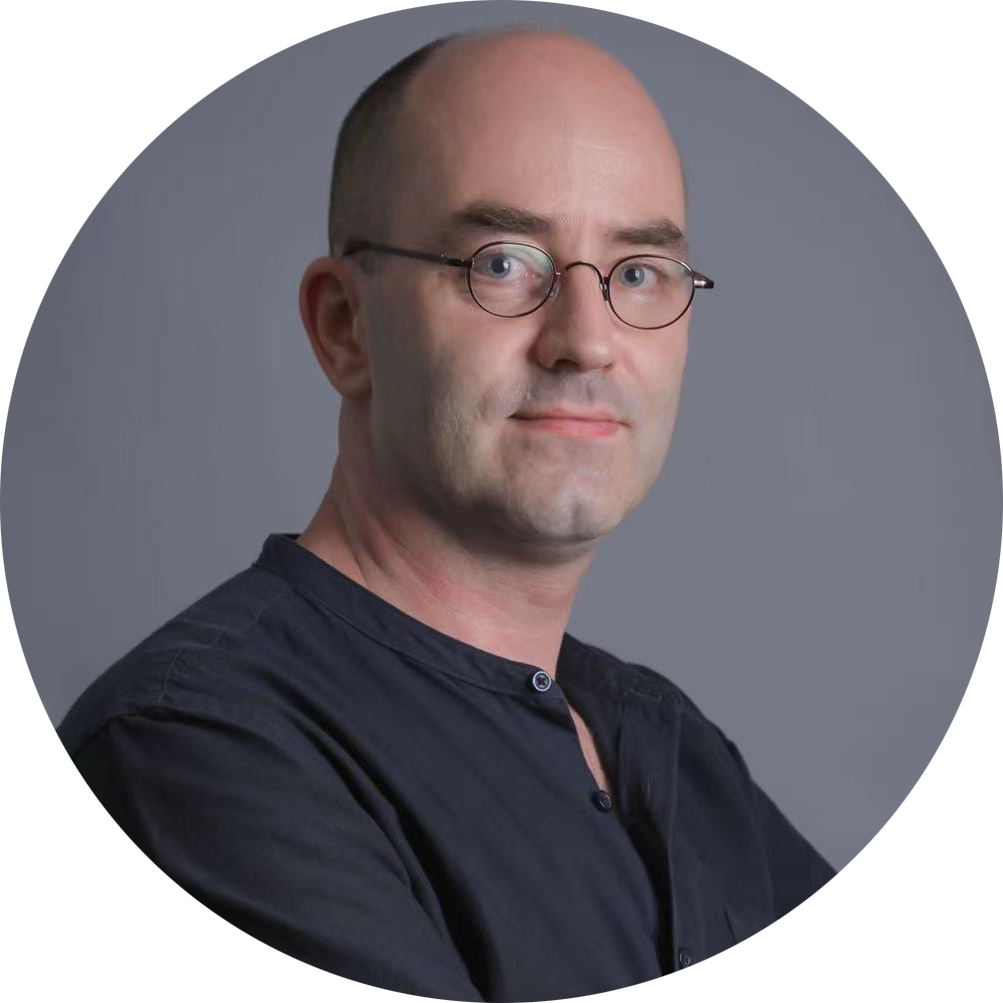
Harry den Hartog is a post-doctoral researcher within the Abe Bonnemaleerstoel at the section of Spatial Planning and Strategy, Department of Urbanism, TU Delft. Since 2012 he has been a faculty member at Tongji University in Shanghai, College of Architecture and Urban Planning, where he lectures urban design and housing and coaches design studios.
His research interests and work experience ranges from urban issues to rural issues, for example on new towns, on waterfronts, and many other themes.
He has worked more than a decade in China with international exchange students from all over the world. Cross-cultural exchange and looking beyond borders are always the starting point and source for enriching experiences. In Shanghai he worked with students on very complex inner-city design and research projects, and on peripheral rural villages revitalization projects. Currently he is researching the revitalization of city and countryside, in the rural parts of China’s Yangzte River Delta Region and in the North of the Netherlands (https://ruralfootprints.blog).
Engagement with citizens in planning plays a central role in all his research. He is currently divining his time between the Netherlands (in Delft) and Shanghai. This means that sometimes meetings will be online. Harry would particularly welcome students interested in working on sustainable transition studies in urban and rural regions in China and Europe.
Students Harry has supervised (at Erasmus University Rotterdam, Master of Science in Urban Governance): Sarah Paardekooper (2022) What does the future of the Chinese eco-city look like: an evolution of international involvement.
Ignacio Urria Yáñez
(available as a second mentor)
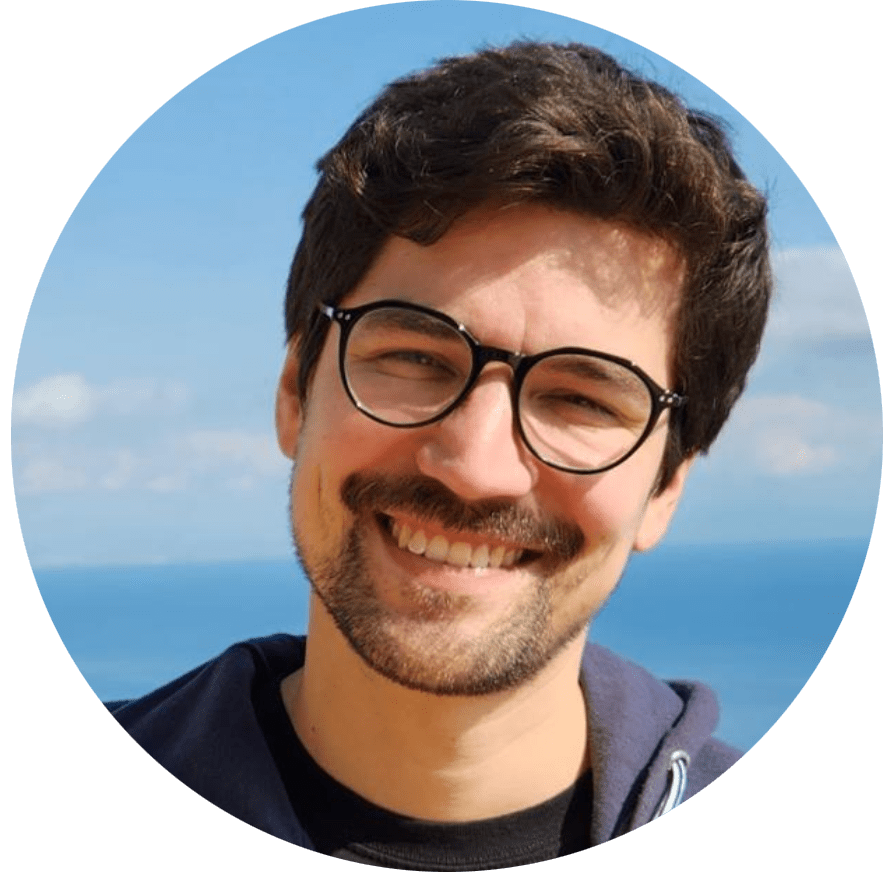
Ignacio Urria Yáñez is a PhD researcher in Urban Studies at TU Delft, with a background in both economics and human geography. He holds a MSc in Applied Economics from the University of Chile and a MSc in Human Geography from Utrecht University. Ignacio’s research centres on urban social inequalities, with a focus on understanding the causes, patterns, and consequences of segregation within cities. His PhD project explores the spatial and temporal dynamics of social inequalities using advanced data-driven methods, such as machine learning (e.g., unsupervised classification) and longitudinal statistical analyses, applied to large-scale administrative datasets from the Netherlands.
Ignacio has previously worked on studying the impact of the urban environment on mental health, as well as the role of social networks in shaping labour market outcomes through housing and neighbourhood conditions. His previous work in Chile as a public servant involved the development of nationwide spatial socioeconomic indicators aimed to prioritise areas that needed policy interventions. He has also coordinated research projects that employed advanced econometric methods to evaluate public policy.
With a strong foundation in statistics, econometrics, and coding, Ignacio can guide students interested in integrating quantitative analyses into their design and planning processes. He is particularly keen to assist those looking to explore the intersections of urban design, social justice, and data-driven insights.
Juliana Goncalves
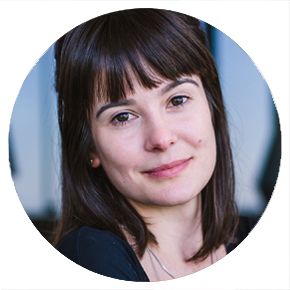
Dr. Juliana Goncalves is an Assistant Professor in the section of Spatial Planning and Strategy, Department of Urbanism, TU Delft. She has an interdisciplinary background with expertise in socio-technical systems, participatory planning, urban data science, and policy analysis. She is interested in how urban sustainability transitions impact people and communities, interacting with and often reinforcing existing inequalities, and how citizens and stakeholders engage with or react to transitions. Through the lenses of spatial justice, she draws from feminist theory and decolonial studies to understand socio-ecological-spatial dynamics in cities. She has three research directions: (1) Spatial justice and critical urbanism in sustainability transitions; (2) Reclaiming participatory planning for collective action; and (3) Integrated spatial planning for (extreme) climate adaptation. If you are interested in working at the intersection of at least two of these directions, do not hesitate to contact her. Please visit her website for more information.
Students Juliana has supervised:
- Danielle Lens (2023), Roadmap to Belonging: Urban planning as a tool to facilitate the sense of belonging of Syrian status holders in small towns in the Netherlands, ABE/TU Delft, 2023
- Algirdas Ramonas (2023), Brave Tolerant City: Planning for diversity forbearance in Kaunas
- Froukje Visser (2023), Moving with Water: Creating a Flexible and Resilient City in the Face of Extreme Weather
- Ettore Arpini (2022), Urban Commons as a Driver of Social Inclusion: A Socio-Spatial Analysis of the Accessibility to Urban Commons in Amsterdam
- Mobeen Nawaz (2022), The Renovation Wave: An opportunity to tackle energy poverty?: A Case Study-Mixed Methods (CS-MM) approach to including justice in renovation policies considering the socio-spatial vulnerability to energy poverty
- Ioannis Ioannou (2022), Urban Voices: Citizen Voice: An innovative Open-source Map-based tool for effective public participation
- Rico Herzog (2021), Cities for Citizens: Identification of Socio-Spatial Conflicts of Public Values in Urban Regions
Kyri Janssen
(available as a second mentor)
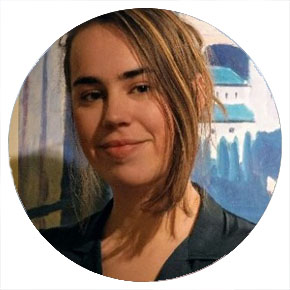 Kyri Janssen is a PhD researcher for Urban studies and has a background spatial economics and human geography. Her research interests revolve around spatial inequality in cities, which concern topics such as housing unaffordability, socio-economic segregation, and displacement. She is particularly interested in understanding the drivers of residential moves and how these are interrelated to, for instance, gentrification and housing policies. In her PhD research she focusses on gentrification in Dutch cities, where she studies how residential mobility patterns have changed over time. Kyri is particularly interested in supervising projects on housing related phenomena such as gentrification, housing policies, and socio-economic segregation. Although her expertise includes mostly quantitative research methods (e.g. statistics, econometric modelling, programming in R, and GIS), she also aims to apply qualitative research methods in her work. Therefore, she is open to supervising both qualitative and quantitative projects.
Maarten van Ham
(available as a second mentor)
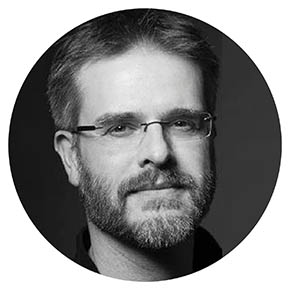 Prof. dr. Maarten van Ham is Head of the Department of Urbanism and part of the Urban Studies group at the Department of Urbanism, Faculty of Architecture and the Built Environment, Delft University of Technology, The Netherlands. The group investigates people-place relationships at different spatial scales, from neighbourhoods to cities to regions. Through its research it aims to better understand how neighbourhoods, cities and regions develop, how different spatial configurations and structures emerge (within and between cities), and how these configurations affect socioeconomic outcomes for people across spatial scales. Maarten’s own research focusses on the theme ‘urban inequalities & their effects’. Within this theme he aims to better understand the dynamics of urban inequalities and their spatial footprint in cities and regions, and how these spatial configurations of inequalities influence people. He investigates ethnic and socio-economic segregation in an international comparative framework and develops innovative multi-scalar measures of population, and alternative measures of segregation such as social frontiers, to improve our understanding of the impact of places on people.
Marcin Dąbrowski
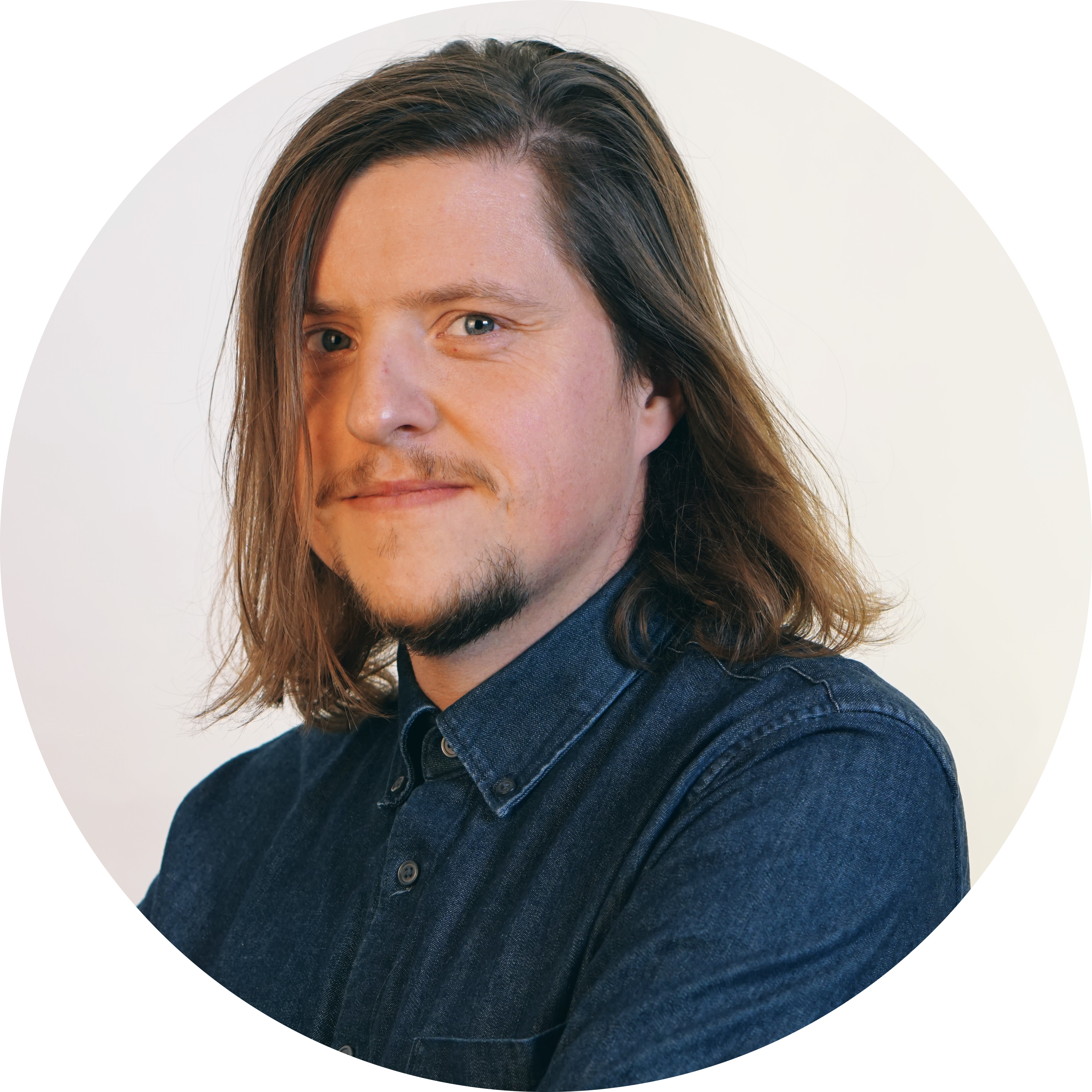
Dr. Marcin Dąbrowski is an Assistant Professor at the Chair of Spatial Planning and Strategy, Department of Urbanism, TU Delft. He has a background in political science and regional studies, applying knowledge and methods from these disciplines in spatial planning research. His interests span across many topics related to the governance of territory, including circular economy, energy transition, urban climate change adaptation and flood risk management, regional development policies, stakeholder engagement and citizen participation in planning, spatial justice, and the evolution of spatial planning systems in Europe. He has also published extensively on various aspects of EU Cohesion Policy and international policy transfer. Marcin would be particularly interested in mentoring students who put an emphasis in their projects on citizen participation, co-creation, and process design as well as in-depth case study research on circular economy and sustainability transitions policies, engaging directly local stakeholders and citizens. Graduation students working with Marcin could consider aligning their thesis topics with research projects in which he was or still is involved, namely H2020 REPAiR (spatial perspective on circular economy), DUST (just sustainability transitions in regions dependent on fossil fuel extraction and carbon-intensive industries), UP2030 (carbon-neutrality experimentation in cities, citizen participation, spatial justice benchmarking of urban plans) or SPADES (integration of a soils perspective in spatial planning – starting in September 2024). For more information on some of these projects, see here.
Students Marcin has supervised:
- Liu, K. (2023) From Energyscape To Energy Justice: Rethink Approaches For A Just Energy Transition: Revitalize the neglected regions through integrated planning: a case study in Changhua, Taiwan
- Kliučininkas, P. (2022) How We will Live Together in the North: Cooperation among Port Cities in the Baltic Sea Region
- Boudouaya, O. (2020) Casablanca, Coexistence of Contrasts
- Balasubramanian, P. (2019) Geographies of power: Spatial strategies for a ‘just’ energy transition in Tamil Nadu
Reinout Kleinhans
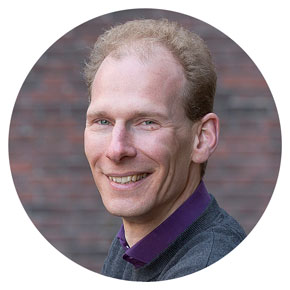 Dr. Reinout Kleinhans is Associate Professor of Urban Regeneration and part of the Urban Studies section in the Department of Urbanism. He has a master degree in urban planning and a PhD degree in urban geography, with strong links to urban sociology. His research interests and expertise include urban regeneration, self-organisation, community entrepreneurship, citizen engagement, tactical urbanism, placemaking, democratic innovation and the use of digital participatory platforms for co-production between citizens and governments. He currently involved in an NWA project on ‘Doing Diversity’ in housing and community-based initiatives. Other research includes the role of community enterprises and spatial justice in local redevelopment approaches, particularly in urban contexts.
Students Reinout has supervised:
- You Wu (2020) The death and life of Chinatowns: Towards an integrated and authentic transformation of ‘Chinatown’ in Amsterdam
- Janssen, C. (2017) Refugee integration and self-organisation: Spatial strategies supporting the role of self-organisation in integration policies
Roberto Rocco
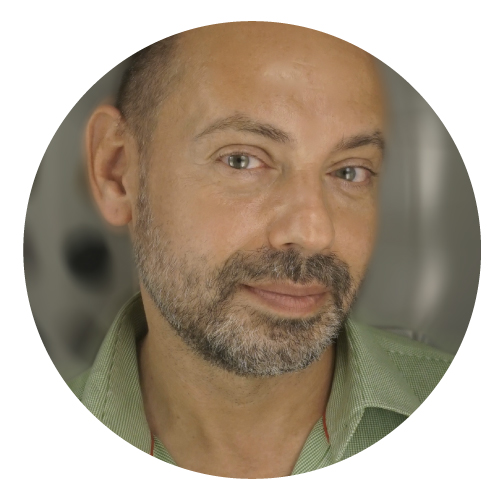
Dr. Roberto Rocco is an Associate Professor of Spatial Planning and Strategy at the Faculty of Architecture and the Built Environment of TU Delft. Roberto is trained as an architect and spatial planner with a master’s in planning by the University of São Paulo and a PhD by TU Delft. Roberto focuses on governance for sustainability transitions, as well as issues of governance in regional planning and design. This includes special attention to Spatial Justice as a crucial dimension of sustainability transitions. Roberto has also published extensively about informal urbanisation in the Global South, and he does research on how informal institutions influence and shape planning at the local level. He is a consultant for the Union for the Mediterranean and has recently drafted the UfM Action Plan for Sustainable Urbanisation 2040. https://ufmsecretariat.org/urban-agenda/ He is one of the lead investigators of UP 2030 Urban Planning and Design Ready for 2030, a Horizon Europe project gathering 42 partners seeking to speed up the sustainability transition in European cities.The study of urbanisation processes in the Global South has led to interest in informal urbanisation and the organisation of several events, including the URBAN THINKERS CAMPUS Education for the City We Need and the CONFRONTING INFORMALITY Symposium. Together with Caroline Newton and Juliana Gonçalves, he leads the Centre for the Just City https://just-city.org and organises yearly events such as the Summer School Planning and Design for the Just City and the Manifesto for the Just City. He is responsible for courses on research methodology and planning and design studios and has published several articles on the subjects enumerated above. More information can be found here.
Students Roberto has supervised:
- Thomas van Daalhuizen (2023). Reconfiguring Travel Patterns: The Necessary Rapid Just Transition to Car-Free Urban Planning in a Cross-Border Context [border NL-BE].
- Priscilla Namwanje (2022) The New Informal: leveraging Formal & Informal practices towards the just, resilient and sustainable urban development of Kampala.
- Shenitzer Schwake, R. (2020). (Re)Levant: Former railway networks in the Levant as a backbone for regional cooperation and social inclusion
- Kritika Sha (2017). An informal frame: Incorporating social and economic production of space in redevelopment of informal settlements
- Varma, R. (2013). Integrating Informality: A Case for an Informal Settlement in Mumbai
- For a complete list of graduation projects supervised by Roberto, click HERE.
Rodrigo Viseu Cardoso
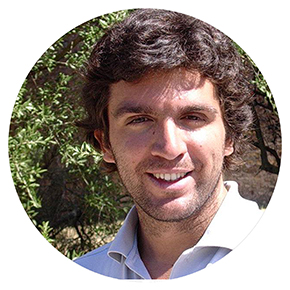 Dr. Rodrigo Cardoso was trained as an architect and planner in Porto, Barcelona (MSc) and London (PhD) before joining TU Delft, where he works as Assistant Professor at the Urbanism department. Building on his interdisciplinary background, Rodrigo’s research focuses on the spatial, functional, social and political dimensions of metropolisation processes in urban regions, as well as in the distinctive features and challenges of second-tier cities and regions in Europe and North America. Rodrigo has recently started new projects with PhD candidates on second-tier port cities in Europe and second-tier city governance in China. Newer interests include urbanisation features beyond the framework of economic growth, focusing on health, wellbeing economics and human needs satisfaction. Rodrigo is involved in education at TU Delft as course coordinator (Urban Geography) and MSc mentor, and at the AMS Institute in Amsterdam, where he co-coordinates the Metropolitan Challenges course, in which students focus on understanding the challenges affecting metropolitan regions worldwide in depth and from different disciplinary perspectives. More information about Rodrigo’s work can be found here.
Students Rodrigo has supervised:
- Westerbeek, Karlou (2021) Turning a city of walls into a city for all: a redevelopment strategy to reunite the urban core with the metropolitan region of Grand Paris.
- Wang, Yaqi (2021) Metropolitan Virus: A strategic planning framework to improve the resilience of the Metropolitan Region Amsterdam in the aftermath of the COVID-19 pandemic.
- Lin, Shu-Yu (2020) A Creatively Inclusive London? Nomadic urban creative cluters as drivers of socioeconomic integration and spatial quality in peripheral urban areas.
Thomas Verbeek
Dr. Thomas Verbeek is an Assistant Professor in the Urban Studies Section of the Urbanism Department at the TU Delft. Thomas was trained as a geographer and urban planner and obtained his PhD in Urbanism and Spatial Planning at Ghent University in 2017.
In his research Thomas takes a social justice perspective on urban sustainability, urban environmental management, and urban mobility. In his PhD research Thomas looked at the connection between urban planning and public health by using environmental justice and complexity theories and concepts. In his postdoctoral project Thomas focused on the social justice of urban air pollution management with case studies of the low emission zones in London and Brussels. Thomas is currently working on the EU Horizon project DUST (Democratizing Just Sustainability Transitions), and he is the project leader for the TU Delft part in the DUT project 15minESTATES, which critically applies the 15-minute city concept to large-scale housing estates.
Students Thomas has mentored:
- Schouls, M. (2023). Socio-Spatial Segregation: Reducing the gap between neighbourhoods in Vlissingen.
- Chen, J. (2024). Shaping the Future of Infrastructure: Regeneration of Renmin viaduct neighbourhood on the basis of balancing mobility and livability.
Verena Balz
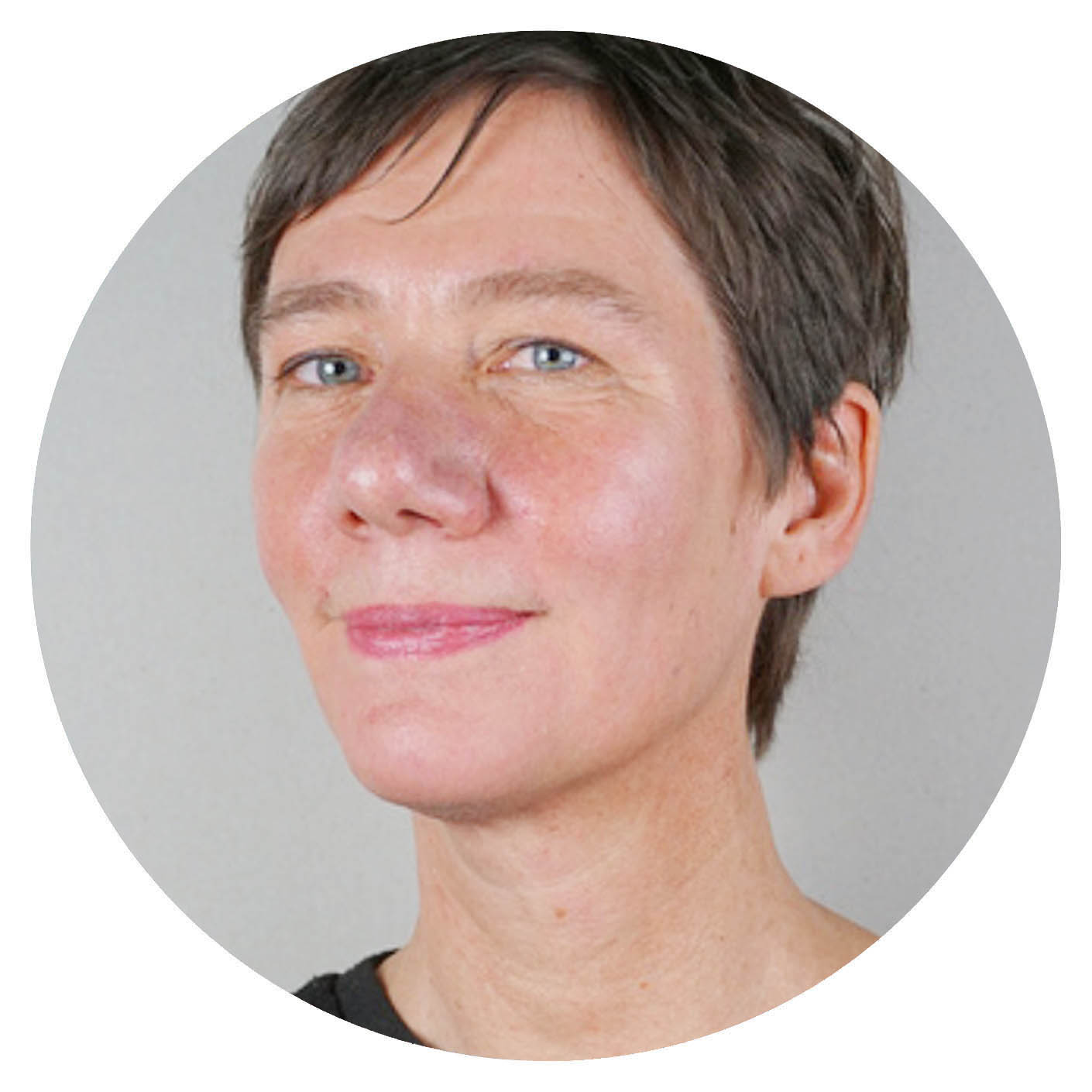 Dr.ir. Verena Balz studied architecture in Berlin, Germany, and Chicago, US. She is Assistant Professor at Department of Urbanism, TU Delft, and was Deputy Professor (Vertretungsprofessorin) at the Chair of Regional Planning, B-TU Cottbus-Senftenberg, Germany. She is also an experienced urban and regional design professional who has participated in and conducted a broad range of urbanism projects of various scales and in several countries. Verena’s research experience is in spatial planning, territorial governance, and Cohesion policy in European countries, with a focus on the Netherlands, Germany, and other Central European countries. Her principle expertise is in the performances of ‘regional design’ in spatial planning and political decision-making. Verena is interested to mentors students who intend to use regional design to critically discuss regional planning and governance schemes, for the purpose of deliberation and good democratic decision-making. Over recent years she has also developed expertise in (irregular) migration and refugees in Europe.
Students Verena has supervised:
- Symeonidi, M. (2020) Island(s) of Exception: Investigating spatial planning as an instrument advocating cooperation within contested territories in Cyprus
- Bodde, A.M. (2019) A spatial strategy for refugee integration in the urban environment: The case of Istanbul
- Klatser, B. (2016) Place of becoming: A spatial perspective on the accommodation of asylum seekers in the Netherlands
Yizhao Du
(available as a second mentor)
 Yizhao Du graduated cum laude with an MSc in Architecture, Urbanism and Building Sciences at TU Delft in June 2021 (for his graduation project, see here). After having explored the field of urbanism for eight years, he constructed a comprehensive knowledge system, considering both, theoretical and practical aspects, and addressing issues including urban (and rural) sustainability, environmental technology, and regional planning. In 2019 he received the Ziqiangzhixing national scholarship for excellent university student, and in 2018 he was awarded the best price of the China Committee of Urban Planning Education. He has served as the chair-leader of the youth club in World Urban Planning Education Network (Shanghai, China) since November 2021, striving to build a communication platform for young scholars in the field of urbanism. As a PhD candidate, he focuses on regional development and secondary cities in China. His dissertation project investigates different aspects of regionalisation and governance in China to answer whether and how a cooperative regional framework can promote the socioeconomic transformation of Chinese secondary cities towards a sustainable regional system.
Zef Hemel
(Available as a second mentor)
 Zef Hemel (1957) is a regional planner. Since September 2022 he is holding the Abe Bonnema Chair at Delft Technical University and Groningen State University. In his work and research he focuses on the revitalization of city and countryside, especially Friesland and Groningen. His planning approach is holistic, strategic and inclusive, combining economy, ecology, democracy, art, and imagination. He is searching for a new kind of open planning – a planning which can easily adjust to permanently changing circumstances and benefits from unexpected opportunities. In all his planning projects, Hemel works with designers, invites them to engage with citizens, using city and countryside as a potential space of collective intelligence. Such a radically different – open source – planning is needed, because the world is urbanizing fast and seems to be rushing into one crisis after another. Because of the growing complexity, the type of planning required is local, at the level of individual cities and their spheres of influence. Hemel studied human geography at the State University of Groningen and wrote his PhD in history of art at the University of Amsterdam, for which he was awarded the Prof. Ter Veen Award 1994.
Alumni mentors
The below listed people have been engaged in mentoring Planning Complex Cities graduation students since 2010.
- Akkelies van Nes
- Ana Maria Fernandez Maldonado
- Arie Romein
- Dominic Stead
- Geertje Slingerland
- Evert Meijers
- Francisco Colombo
- Heleen Janssen
- Igor T. M. Pessoa
- Lidewij Tummers
- Luiz De Carvalho Filho
- Rachel Keeton
- Remon Rooij
- Stephen Read
- Vincent Nadin
- Wil Zonneveld
- …
 Planning Complex Cities TU Delft
Pingback: Graduation orientation – Spring 2017. | Planning Change: Complex Cities TU Delft
Pingback: Next round! | Planning Complex Cities TU Delft